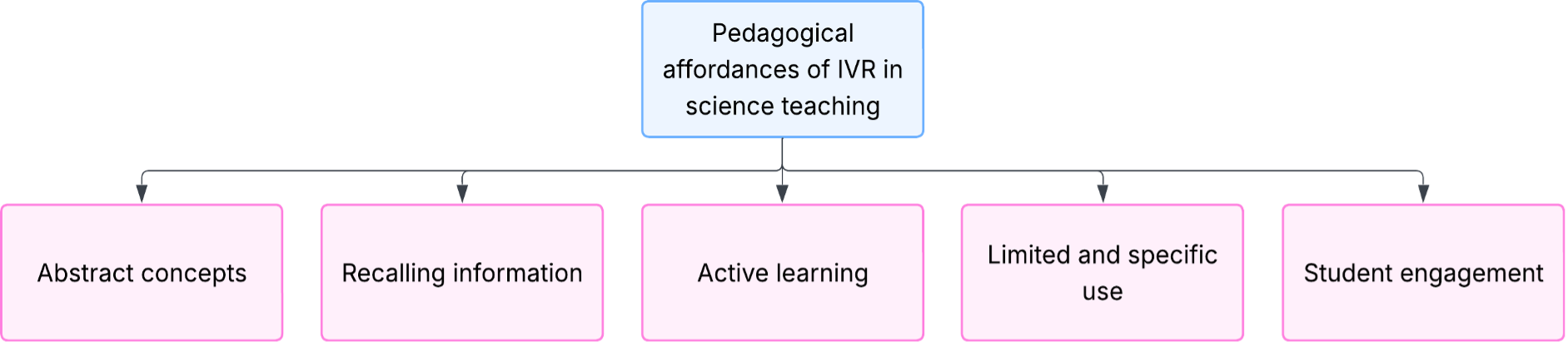
Figure 2. Pedagogical Affordances of IVR in Science Teaching
Volume 10 | Number 1
Article type: Original Research Extended
An exploratory study on the prospects and challenges of low-cost Immersive Virtual Reality among experienced secondary school science teachers of Pakistan and Northern Ireland
Arhum Nadeem Khan
arhumnadeemkhan@gmail.com
https://orcid.org/0000-0002-1145-680X
Stephen Roulston
s.roulston@ulster.ac.uk
https://orcid.org/0000-0001-6043-7261
Claire Woods
c.woods@ulster.ac.uk
https://orcid.org/0000-0003-0355-014X
Helen Jackson
h.jackson@ulster.ac.uk
https://orcid.org/0000-0002-7003-8317
Samuel Taggart
s.taggart@ulster.ac.uk
https://orcid.org/0000-0001-8076-8607
This work is licensed under Creative Commons Attribution 4.0 International
Recommended Citation
Khan, A., Roulston, S., Woods, C., Jackson, H. & Taggart, S. (2027) An exploratory study on the prospects and challenges of low-cost Immersive Virtual Reality among experienced secondary school science teachers of Pakistan and Northern Ireland, Irish Journal of Technology Enhanced Learning, Vol 10 (Issue 1). https://doi.org/10.22554/bpmz9q34
Arhum Khan1, Stephen Roulston1, Claire Woods1, Helen Jackson1, Samuel Taggart1
1University of Ulster
https://doi.org/10.22554/bpmz9q34
Recent global trends have led to an increase in the adoption of emerging digital technologies in education. Among these is Immersive Virtual Reality (IVR) which, due to increased accessibility and affordability, has become a significant interest for education-based research. This study examines the integration of IVR in classroom practice with specific focus on the pedagogical utility of IVR in secondary school science and the sustainability of the technology to lead to long-term scalable use. Adopting a mixed-method approach, data is gathered from experienced (>14 years of teaching) secondary school science teachers (n = 6) from Pakistan and Northern Ireland. Drawing on direct engagement with IVR, teachers shared their views through questionnaires and interviews. Analysis explored how experienced teachers perceive the pedagogical value of IVR, along with constraints and challenges associated with the integration of the technology into classroom practices. Results reveal the potential of IVR for secondary school science teaching and the need for improved integration of digital technology through provision of resources and teacher training programmes. As an exploratory study, the findings share a rare international comparison on the use of IVR in the under-researched secondary school setting. Given the limited research in this particular area, the outcomes offer valuable insights and deeper understanding concerning the possibility of IVR adoption in schools and provides direction for future, larger-scale cross-national investigations.
Immersive Virtual Reality, sustainable technology integration, Pakistan, Northern Ireland, secondary school science
The rapid development and progress of digital technology over recent years has introduced a number of affordable and feasible opportunities for teaching and learning in schools. One of these is Immersive Virtual Reality (IVR), which has gained significant popularity in recent years. IVR refers to a specific Virtual Reality (VR) system that uses head-mounted displays and motion tracking. The capacity of IVR to provide a 3D virtual and interactive environment on the basis of real-life physics has supported active engagement, thus suggesting its potential for education (AlGerafi et al., 2023; Ngema & Motlhabane, 2025). Within the scope of science education, IVR has offered high degree of visualisation and experiential learning (Di Natale et al., 2020; Lui et al., 2023), including improving learners’ self-efficacy (Yan et al., 2025) and interest towards science (Makransky et al., 2020). Within the broader range of education, most studies have investigated the impact of IVR in higher education contexts, with very few focusing on secondary and primary educational settings (Walstra et al., 2023). In addition to this, there have been limited studies specifically exploring the impact of low-cost IVR viewers on learning (Alamäki et al., 2021; Di Natale et al., 2020; Maas & Hughes, 2020). Low-cost IVR generally involves a smartphone, an inexpensive headset (e.g. Google Cardboard) and VR mobile applications or 360-degree videos.
In contrast to the affordances of IVR, research indicates limitations to the educational integration of the technology, such as cost, training and requirement of relevant hardware and software (Nemani, 2025). Other technical challenges, such as possible distractions from the main content (Parong & Mayer, 2021) and motion sickness (Klingenberg et al., 2020) have also been highlighted. While these limitations may exist, the potential of IVR to contribute to educational value justifies continued investigation, particularly within underexplored school settings.
With emerging digital technology trends, it becomes crucial to align pedagogies to evolving learner needs. As the world becomes increasingly interconnected, significance for global awareness and digital literacy is prevailing. Resultantly, it is expected that existing pedagogical practices will undergo a certain amount of transformation to best support current learners and future practitioners. Technology-driven paradigms, such as Education 5.0, emphasise this transformation by integrating digital technology purposefully to support learners’ specific needs and stress the role of reflective teaching for educators to adapt to new and changing teaching methods (Peláez-Sánchez et al., 2026).
The increase of digital technology integration within classroom settings has heightened the importance of preparing teachers as competent users of technology. It is not only that teachers are aware of the existing types of digital technology, but also understand the pedagogical implications of these. Digital literacy is considered a core professional competency for teachers, which supports the adoption of meaningful technology integration into learning practices. Frameworks such as Technological Pedagogical Content Knowledge (TPACK) (Koehler & Mishra, 2009) are widely being used to better recognise and integrate digital technologies within classrooms. For IVR in particular, teachers require opportunities to best understand how the experiential and immersive nature of this technology, could best interact with subject material and pedagogy. However, current literature suggests that there is a gap in existing teacher education programmes when it comes to immersive technologies, thus limiting their practical and pedagogical knowledge.
The role of teachers in the integration of digital technology is pivotal. In general, an insight into teachers’ views about IVR and the prospects for incorporating the technology into their practices is essential to better understand its effectiveness and potential. Through such insight, relevant and meaningful pedagogical approaches may be designed that address contextual learning barriers and establish a stronger integration of digital technology to address curriculum goals and learner objectives. Within the K-12 context, in particular, the need for a more thoughtful and goal-oriented approach to technology-integrated pedagogy has been identified (Raave et al., 2024). Developing teachers’ digital competencies may lead to improved digital technology inclusion in the classroom, which may result in improved student performance (Demissie et al., 2022). Potential constraints, however, have been linked to teachers’ professional development as well as limited availability of resources within schools (Nemani, 2025). Fransson et al. (2020) identified challenges to IVR integration, including limited financial resources and specific subject domains. Farrell et al. (2022), through their study on Initial Teacher Education (ITE) in the island of Ireland, identified that teachers require modelling and guidance as how to best integrate digital technology into subject teaching. In order to support this, subject-based examples can be used to indicate the affordances and benefits of integrating novel technologies, such as IVR, into classroom practices (Farrell et al., 2022).
From a theoretical perspective, common science pedagogies can and have been mapped to IVR affordances through various studies. A number of pedagogies have been derived from the prominent concepts of Constructivism. IVR closely aligns with constructivist principles, as it allows learners to explore scientific environments and concepts, as well as interact with simulated environments in a safe and controlled manner (Araiza-Alba et al., 2021). Activity-based learning (ABL), is thus possible through hands-on activities and experimentation. From an experiential learning perspective, IVR offers learner agency and interaction, supporting knowledge construction through experience (Aiello et al., 2012; Dalgarno & Lee, 2010). Inquiry-based learning (IBL), also drawing on constructivism, allows for learning to occur through questioning and investigation (Huang et al., 2010). Through IVR, IBL is encouraged once again with the possibility of creating specific scientific contexts, where the process of inquiry can take place (Wu et al., 2019).
The use of audio/visual aids and physical 3D models is another common resource used for science teaching in schools. Visualisation is a key aspect of scientific learning and the use of such methods allows for the transformation of abstract concepts into tangible and meaningful learning (Hamilton et al., 2020). IVR extends this pedagogical approach, with the inclusion of 360-degree, interactive and immersive environments (Di Natale et al., 2020), supporting increased visualisation opportunities for scientific learning. Matovu et al. (2023) indicates the potential of IVR for visualisation of abstract concepts, virtual field trips, practical scientific skills development and enhancing learning experiences.
Within popular science pedagogical practices, lecture-based learning (LBL) remains common and widespread, with teacher-led instruction, in some cases, resulting in higher scientific literacy scores (Cairns, 2025). This method, rooted in behaviourism and cognitivism, is perceived as particularly useful for effective knowledge delivery and is often coupled with other methods of teaching (de Jong et al., 2023; Røe et al., 2022). In regard to this, IVR may offer possibilities of extending and scaffolding knowledge through visualisation and immersion.
These pedagogical approaches illustrate the feasible educational value of IVR particularly for science learning, where affordances have been mapped to common, effective and on-going science practices in the classroom. From this theoretical perspective, meaningful integration of IVR emerges and may demonstrate how current science pedagogies could be transformed to support and sustain IVR inclusion.
Pakistan’s education system faces challenges in the form of quality education, low enrolment and high dropout rates (ASER Pakistan, 2022), over-crowded classrooms (Ahmad et al., 2018), disparity between genders and lack of trained teachers (Qureshi & Kalsoom, 2022). Recent policies and initiatives from the Government have attempted to address these challenges, including through the integration of ICT. The Digital Policy of Pakistan (2018) attempts to bridge industry and ICT gaps by promoting the integration of digital technologies into curricula and schools. Additionally, while a rise in educational technology (EdTech) has been observed throughout the region, it is limited in terms of implementation and outcome (Baloch & Taddese, 2020). In the few instances that ICT has been introduced, it has increased interest and engagement (Memon & Tunio, 2022) as well as indicated teachers’ positive disposition towards the technology (Khokhar & Javaid, 2016). Challenges, however, exist in terms of financial budgeting, requirement for software and hardware devices, need for high-speed Internet and teacher training programmes (Salam et al., 2017). Additionally, limited availability of trained science teachers (Hali et al., 2020; Mustafa et al., 2022) has also been attributed to the overall low student achievement scores in the subject (Qureshi & Demir, 2019). While Pakistan has introduced approaches and policies to address these challenges, poor implementation and lack of monitoring have hampered progress significantly (Hali et al., 2020). A need for further investigation is suggested as a shortage exists in published empirical research focusing on the challenges Pakistani science teachers face (Qureshi & Demir, 2019).
For Northern Ireland, the Department of Education (DE) has been successful in implementing uniform and homogeneous educational policies and curriculum across the region (Passey & Anderson, 2018). The integration of digital technology within science education is a compulsory ‘Area of Learning’ (CCEA, 2023a) with focus on enquiry-based learning and adopting scientific approaches. The Council for the Curriculum, Examinations and Assessment (CCEA) also provides additional resources for teachers in the form of statutory guidelines and progression maps (CCEA, 2023b). In order to ensure digital technology access and maintenance, the Education Authority (EA) introduced the Classroom 2000 (C2k) project across the schools of Northern Ireland. C2k offered support to schools in the form of a connected ICT infrastructure and relevant learning resources (Department of Education, 2015). Recently, the EA has introduced a new programme, entitled ‘EdIS’ (Education Information Solutions), to transform the current educational landscape through the development of personalised content and feedback on progress and achievements (Passey et al., 2023).
While evidence suggests strong ICT integration in schools of Northern Ireland, there was indication of limited digital strategy between 2004 and 2022, until the initiation of the EdIS programme (Taggart, 2023). Inequities in terms of ICT and Internet availability were made apparent during the COVID-19 lockdown, as well as identifying the need for improved teacher training for ICT provision and online pedagogy (Bates et al., 2023). In specific regard to STEM (Science, Technology, Engineering, Mathematics) teaching, it is found that primary teachers from Northern Ireland face a number of challenges including linking curriculum to everyday teaching, limited assessment priority for science, limited support through resourcing and funding and lack of teacher confidence and self-efficacy (McCormick, 2024). Ievers & McGeown (2020) identify high level of student enthusiasm for STEM subjects but limited resources and teaching staff with STEM qualifications suggests a significant need for improvement in Northern Ireland’s STEM education provisions.
Scores from International assessments like PISA (Programme for International Student Assessment) and TIMSS (Trends in International Mathematics and Science Study) are useful to provide an overview of academic performance. While these assessments face a share of criticism due to assessment criteria focusing mainly on STEM subjects, without the consideration of other subject areas and contextual factors (Elliott et al., 2019; Zhao, 2020), they are useful as a starting point for comparing educational achievement. Pakistan and Northern Ireland participated in TIMSS 2019 (Mullis et al., 2020). The results for science achievement at the grade 4 level (Primary 6 for Northern Ireland) indicated Pakistan scoring 290, which was significantly lower than the TIMSS scale centre point of 500. In comparison, Northern Ireland scored 518, surpassing the centre point comfortably but scoring less than neighbouring England (537) and Ireland (528). When reflecting on the outcome of the TIMSS scores, it was found that more affluent schools indicated higher scores (532) as compared to the disadvantaged ones (500) (National Foundation of Educational Research, 2020). The report also indicated a shortage of ICT provision, including computer software and applications related to science learning.
In terms of general VR technology usage in education, both regions are similar specifically in terms of limited interventions within school classroom settings. While Northern Ireland has been making noteworthy advancement in endorsing digital technology, the integration of VR technology into schools, and research into its impact, has been underexplored. A few studies have examined VR for teacher education (Cowan & Farrell, 2023) and teachers’ self-efficacy and attitude towards technology in education (Taggart et al., 2023). Similarly, in Pakistan, VR usage has been introduced in limited capacities, however, empirical investigation into the educational application of the technology remains scant. There is an emerging understanding that the VR technology may offer opportunities for engaging and accessible learning within the country (Farooqui et al., 2023). Given the limited body of empirical research from both regions, this study offers novel contributions through teachers’ perceptions on the use of IVR for classroom teaching
The present study uses a comparative lens to understand the potential use of IVR in two distinct regions: Pakistan and Northern Ireland. Comparative education is particularly useful in regard to identifying the impact of contextual and societal factors on learning (Bartram, 2017), and can also be helpful in identifying similarities and differences within educational contexts, resulting in possible solutions to common problems (Hayhoe et al., 2017). following research questions are addressed:
RQ1: What pedagogical practices do teachers most commonly adopt for science teaching at the secondary school level?
RQ2: How do teachers perceive the pedagogical affordances of IVR for teaching secondary school science?
RQ3: What are the associated challenges of integrating IVR and digital technology within the classroom?
The study follows a Mixed Methods Research (MMR) design using questionnaires and interviews with secondary school science teachers. A total of six teachers were included in this study, with three from each region (Table 1).
| Participant | Region | Code | Gender | Age | Years of teaching experience |
|---|---|---|---|---|---|
| Teacher 1 | Northern Ireland | T1-NI | Female | 39 | 14 |
| Teacher 2 | Northern Ireland | T2-NI | Female | >40 | 25 |
| Teacher 3 | Northern Ireland | T3-NI | Male | 44 | 23 |
| Teacher 4 | Pakistan | T4-PK | Female | 43 | 16 |
| Teacher 5 | Pakistan | T5-PK | Male | 43 | 16 |
| Teacher 6 | Pakistan | T6-PK | Male | 38 | 16 |
For data collection, teachers were initially introduced to the IVR technology and showcased the selected content, through the use of mobile phones and low-cost VR headsets. Teachers feedback was collected through the Teacher’s Practices and Perspectives questionnaire. Items of the questionnaire were adopted from the data instrument prepared by Alalwan et al. (2020), which includes their years of experience, regularly adopted pedagogies for science teaching and their perspective on using digital technology for teaching. Further items to the questionnaire were added by the researcher to garner teachers’ views on the use of IVR in particular, including the overall experience, the pedagogical affordances of the technology for science teaching and the perceived need for technical support were it to be deployed in their classrooms. The follow-up interview questions allowed teachers to elaborate on the questionnaire items, share their observations on IVR as well as provide insights around the challenges identified in terms of possible implementation of IVR, and other digital technologies, in their respective schools. In addition to this, teachers were asked to reflect on their standard approaches to science teaching and highlight the limitations and challenges encountered in daily practice.
Through an overview of the secondary school science curricula for Pakistan (National Curriculum for Science grade VIII) and Northern Ireland (Statutory requirements for Science at Key Stage 3), common content was shortlisted. These included: human organ systems, cell division, chemical reactions and exploring Space. Existing 360-degree videos for the IVR experiences were explored online to assess their suitability for the investigation. On the basis of the content, narration, visuals and short duration of the video content, the three experiences provided in Table 2 were selected.
Session |
Video title |
Duration |
Details of video content |
|---|---|---|---|
1 |
Intercellular – An Interbody VR Experience Channel: Random42 Scientific Communication |
3:12 |
360-degree video depicts the inner workings and structure of human cells |
2 |
A Journey to Venus – HAWAII 360 ° Channel: EuroVenus official |
3:23 |
360-degree video using a combination of video recorded footage, showing telescopes and control room and CGI, used to show the conditions on planet Venus. |
3 |
What is Nuclear Energy? Shrink down to an atom and find out Channel: EDF Energy |
3:41 |
360-degree video using CGI to depict the structure of a nuclear reactor, and fission reaction at the atomic level |
RQ1: Teachers’ common pedagogical practices for Science teaching at the secondary school level
Results for the questionnaire revealed science teachers’ preferred pedagogies for approaching secondary school science (Table 3). Teachers from Northern Ireland indicated LBL, ABL and the use of audio/visual aids as the most preferred approaches for teaching science. An overview of the responses reveals that the participants from Northern Ireland had varied preferences, however, LBL and audio-visual aids were more preferred. In comparison, participating teachers from Pakistan unanimously responded ABL as their first preference and also indicating preferences towards the use of physical 3D models, IBL and LBL.
| ID | Rank 1 | Rank 2 | Rank 3 | |
|---|---|---|---|---|
| T1-NI | LBL | Audio/visual aids | ABL | |
| T2-NI | Audio/visual aids | LBL | IBL | |
| T3-NI | LBL | ABL | PBL | |
| T4-PK | ABL | Physical 3D models | Audio/visual aids | |
| T5-PK | ABL | Physical 3D models | Audio/visual aids | |
| T6-PK | ABL | IBL | LBL | |
| Key | ||||
| Activity-based learning (ABL) | Students actively engage in tasks or activities to construct understanding through participation | |||
| Lecture-based learning (LBL) | Teacher-centred approach focused on direct transmission of knowledge through verbal instruction | |||
| Inquiry-based learning (IBL) | Students construct knowledge through questioning and investigation | |||
| Problem-based learning (PBL) | Learning takes place around problems requiring research, collaboration and application | |||
| Using audio/visual aids | Instructional use of visuals and auditory materials (videos, presentations) to support comprehension | |||
| Using Physical 3D models | Instructional use of tangible 3D models to help visualise and understand scientific structures | |||
RQ2: Teachers’ perceptions on the pedagogical affordances of IVR for secondary school science
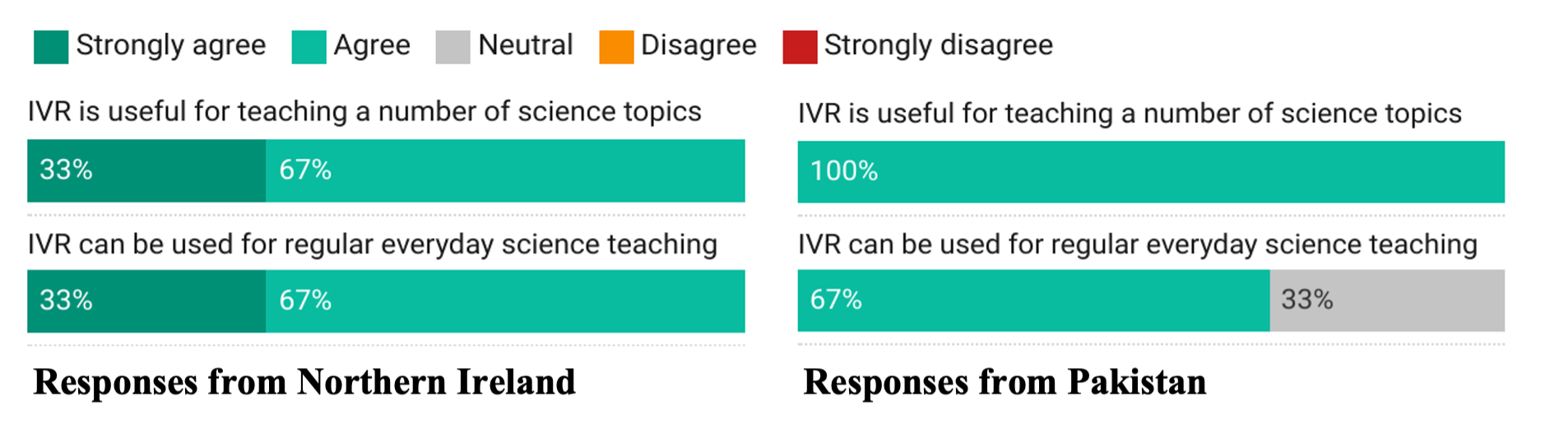
Figure 1. Teachers’ Perceptions Questionnaire: Pedagogical Affordances of IVR
Responses from participating teachers indicated that they had not previously integrated IVR in their classroom teaching. Findings from the Teachers’ Perceptions questionnaire, suggested that teachers from both regions found IVR useful for a number of science topics and agreed that the technology could be useful for everyday science teaching (Figure 1).
Through the follow-up interview questions, additional themes emerged that addressed the teachers’ responses on the pedagogical affordances of IVR (Figure 2).
Figure 2. Pedagogical Affordances of IVR in Science Teaching
As science is generally built on constructs and concepts, teachers elaborated on how IVR may be useful for visually representing scientific concepts that would otherwise be unobservable or inaccessible.
Abstract concepts that the students find really hard to get their heads around – so, if there was a chemistry one on just the simple nucleus and the electron structure, just simple things on going in the human biology one, they will enter the cell, they unzip the cell, and they went in, and then they zoomed into the nucleus. That was great. I tried to do that through my teaching through 2D pictures, but actually 3D and going into it just makes it more real. (T1-NI)
Teachers indicated the importance of visualisation to understand concepts more comprehensively. In addition to this, they also suggested that the IVR technology was useful as a scaffolding approach, where it could strengthen the understanding of previously taught lessons.
I liked the one about the nuclear fission again, because I mean, that’s a subject that I teach in year 11. I’ve just actually delivered it there last week. I think that again, to show that I did use similar video on the screen to the show the actual nuclear fission process. So, I think that would be good for them seeing inside the power plants and stuff like that [in IVR]. (T3-NI)
A teacher from Pakistan suggested that students are generally more prone to adopting digital technology than previous generations.
This generation have [a greater] tendency towards smartphones. There is a difference between our generation and theirs, they don’t have resistance towards new technology. In fact, they have a tendency to adopt new things. (T5-PK)
One of the teachers from Northern Ireland, however, found that students may be distracted by the IVR environment and lose focus from the main content.
The one thing I would have had a wee bit of concern with some of the videos for example in cells where there was a lot of information coming up, if pupils were looking around [within the IVR environment] they would miss those little clips. (T3-NI)
Some teachers suggested that IVR allowed greater active learning amongst the students which could result in lessons becoming more engaging and memorable. Additionally, they indicated that IVR’s allowance for a simulated environment offered students the ability to observe and explore in a safe and controlled environment.
As I said, it’s good, let them see things that are totally inaccessible…health and safety has stopped so many school trips, and so many school visits. So, whenever you have something like this [IVR], that’s better than a video, they can see what’s there. (T2-NI)
While teachers responded with many of the perceived benefits of IVR, some also shared few apprehensions, which included medical concerns and the exclusion of students who were epileptic and/or had visual impairment.
In the future it would maybe affect eyesight. Also, when you are wearing headphones and put the gadget so close to your eyes, it would result in mental stress. (T5-PK)
There’s a girl in my class who is severely epileptic. So, you don’t want to exclude a child like that. For me, that [IVR] would be something I would use now and then, not the norm. (T2-NI)
A teacher from Northern Ireland shared that long-term use of IVR may result in the loss of the engagement possibly making it less memorable each time it is used.
Yes, it would be useful every day. But every day, may make it less memorable. So, we better have that for specific key things, key topics, so that it has more of an impact and last longer in their memory. (T1-NI)
It was also suggested that while IVR may be useful in depicting customised and simulated environments, it cannot be used to replace hands-on observation and practical scientific laboratory work.
There are a lot of subject areas in science where you have to perform activities. No doubt, animations are good, but until and unless the students perform it themselves, they may not understand. Few things are limited to demonstration. (T5-PK)
Teachers from Pakistan particularly commented on the use of language within the IVR experiences, suggesting it was useful for the students to hear the content in English with related scientific terminology.
The students have to answer the assessments in English. Science itself is a language, we are just using helping words from the English language. (T5-PK)
Finally, in terms of engagement, teachers agreed that students appeared considerably engaged and interested in the IVR activity.
I think the majority of the students were engaged and were enjoying it. I could physically see that they were moving around and they were trying to see what was going on. It was new and it was exciting. It was something different. They wanted to see, well, what are we going to see what’s going to happen? (T1-NI)
RQ3: Challenges within science teaching and integration of digital technology
The Teachers’ Perceptions questionnaire indicated mixed responses from teachers when discussing training and technical support required to use IVR. However, there was agreement in terms of IVR being easy to use and learn (Figure 3).
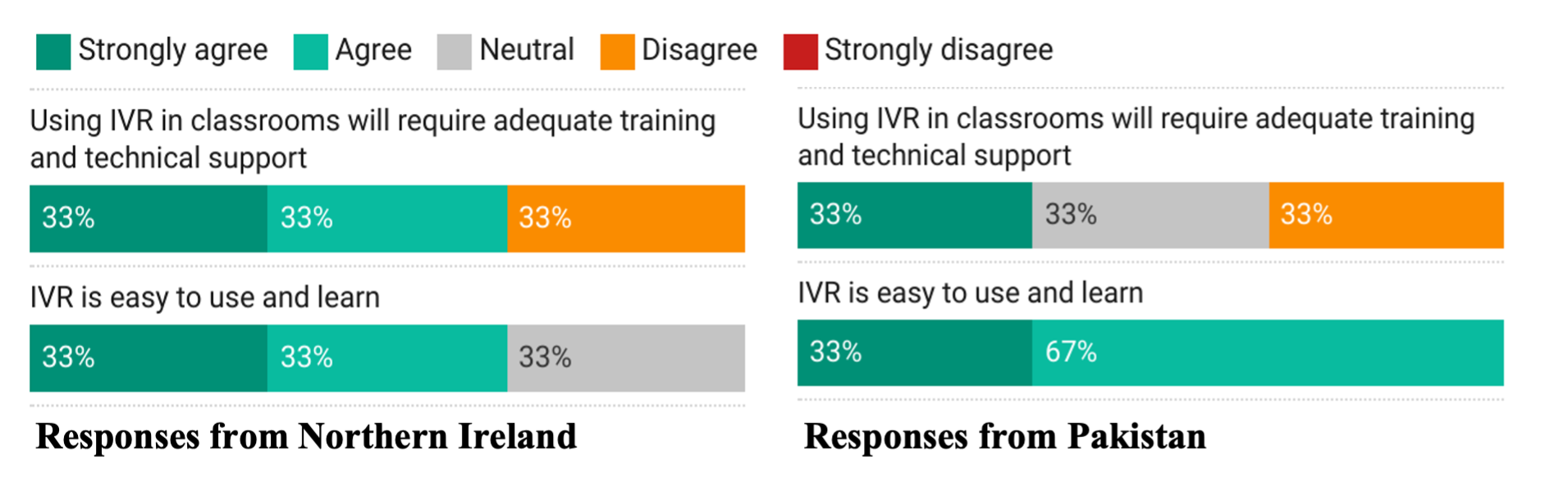
Figure 3. Teachers’ Perceptions Questionnaire: Pedagogical Affordances of IVR in Science Teaching
Discussion with the teachers revealed various challenges currently faced when integrating digital technology in the classroom (Figure 4). This feedback also included the addition or experimentation of new pedagogical approaches. The biggest challenge identified by the teachers was that of financial and budget constraints along with the attributed cost of ICT integration.
The biggest constraint I would say is that of the budget. Arranging these [IVR headsets] for every student would be difficult as it requires mobile phones and the strength [number of students per class] of our government institutes is quite high therefore arranging mobile phones for every student would be difficult. (T4-PK)
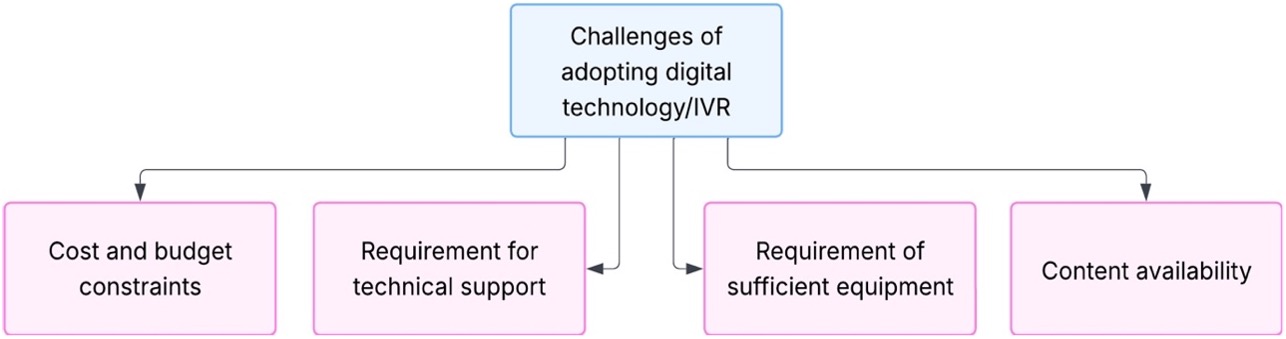
Figure 4 - Challenges of adopting digital technologies/IVR in classrooms
Another factor was the requirement and availability of technical expertise and support to manage and maintain the various types of digital technology. For Northern Ireland, there were concerns that, even with C2k in place, there were challenges in the form of Internet connectivity and resources being readily accessible and available. It was also suggested that even when technological resources are available, some teachers have limited experience and practical knowledge of integrating ICT effectively in their teaching.
I don’t think there would be too many problems with the pupils [using IVR] because they are all very technologically savvy these days, [but] you may have a few issues with some older staff who are not as IT savvy. Not only that, but other problems as well, such as, what we encountered today - the Internet connection. (T3-NI)
In contrast to this, as Pakistan does not have a regulatory authority like C2k, there is generally limited or varied access and availability of technology in schools. The participating teachers from Pakistan further indicated that when technology is available, it is mostly used for specific year groups that are preparing for high-stakes examinations. Furthermore, due to the large class sizes and an extensive curriculum, teachers adhere to the traditional, lecture-based methods of teaching.
Technology is available but is not being used at the level of grade 8 because of the high number of students. We are using it for college level because the student strength [number of students] is comparatively lower than grade 8. We have multimedia available but not in every class. We [teachers] have to maintain a student class size of 80 sometimes, we have to make sure they are disciplined, organised and able to understand. So, the conventional teaching methods seem easier by using white boards, models and charts. (T4-PK)
Findings of this study reveal that participating teachers from both regions had a favourable disposition towards the inclusion of IVR for science teaching. Responses from the questionnaires suggest that teachers prefer ABL in the classroom, followed by audio/visual aids and PBL. Teachers from Pakistan also indicated the use of physical 3D models during lessons.
Other emerging themes included a need for technical expertise and training in order to effectively incorporate IVR for science learning. The teachers from Pakistan indicated insufficient budget and digital equipment allocation to support the integration of ICT. Although apparently having greater access to ICT as compared to their Pakistani counterparts, a similar trend was observed from the Northern Ireland group. Teachers indicated limited access to resources and inconsistencies in services, for example Internet availability and bandwidth.
For the Pakistani sample, limited implementation of IT in schools was largely due to inadequate budgets, exacerbated by large class sizes and overcrowded classrooms. In Northern Ireland, while C2k provides ready access to necessary ICT hardware and software to schools, some irregularities were observed during the study and also reported by the participating teachers. In terms of the experience of using IVR, teachers were in overall agreement concerning the pedagogical utility of the technology for science teaching. This included the provision of IVR allowing for the depiction of abstract concepts and scientific structures (Nemani, 2025; Yildirim et al., 2020). Teachers compared IVR to traditional visual options, such as other media forms and text books, and considered the 360-degree view of IVR allowing for a unique approach to depicting scientific models and structures. Teachers linked the experience directly to active learning suggesting students are engaged with the content improving recall and comprehension of key concepts. However, one of the teachers also indicated their concern regarding the 360-degree environment allowing for distractions. Another apparent disadvantage highlighted was that of certain students being excluded from the IVR experience due to epilepsy, visual impairment and/or susceptibility to motion sickness.
Reflections from Pakistan brought to light some of the existing barriers to improved science education, such as insufficient resources (Mustafa et al., 2022), overcrowded classrooms (Ahmad et al., 2018), limited ICT availability (ASER Pakistan, 2022) and extensive curriculum (Nisa Ul Haq et al., 2020). These barriers are also tied to IVR integration, where teachers indicated cost constraints as well as limited training and resources. Pakistan also lacks a uniform digital technology integration authority in comparison to Northern Ireland. This suggests the need for systemic support to address resource-constrained environments. A managed service for Pakistan, similar to C2k/EdIS, might be beneficial in bringing uniformity in terms of ICT integration amongst schools, allowing teachers the opportunity to explore digital technology-infused teaching approaches. Such a regulatory authority could allow for better integration of ICT to meet curriculum and learning goals and may also provide practical resources for all relevant stakeholders, such as learners, teachers, school administration and parents.
The establishment of C2k in Northern Ireland laid a strong and homogenous framework for the incorporation of ICT within schools. However, a need for increased teacher professional development programmes has been indicated in order to improve the effectiveness of digital technology use in the classroom (Taggart, 2023). Limited ICT provisions have shown to restrict pedagogical innovation amongst teachers of the region (Farrell et al., 2022). The inclusion of IVR and other emergent technologies, may support Northern Ireland’s challenge with underachievement amongst its learners (Purdy et al., 2021), as more directed and purposeful inclusion of digital technology and timely reforms, like the EdIS programme, may be the answer to motivate and engage young learners.
While this study is based on a small sample size, which inevitably limits the generalisability of its findings, its contribution lies in providing one of the few international comparative investigations of IVR use within secondary school settings. Existing research has primarily focused on higher education or single-country case studies, with limited attention to how cultural, curricular or institutional contexts influence implementation at school level. Though the findings cannot be said to be representative as a whole, the current paper provides a snapshot of the reactions of experienced science teachers concerning the challenges and opportunities of implementing IVR in schools. By examining experiences across two different countries, this study highlights both shared challenges and context-specific factors, offering valuable insights that can inform future, larger-scale research.
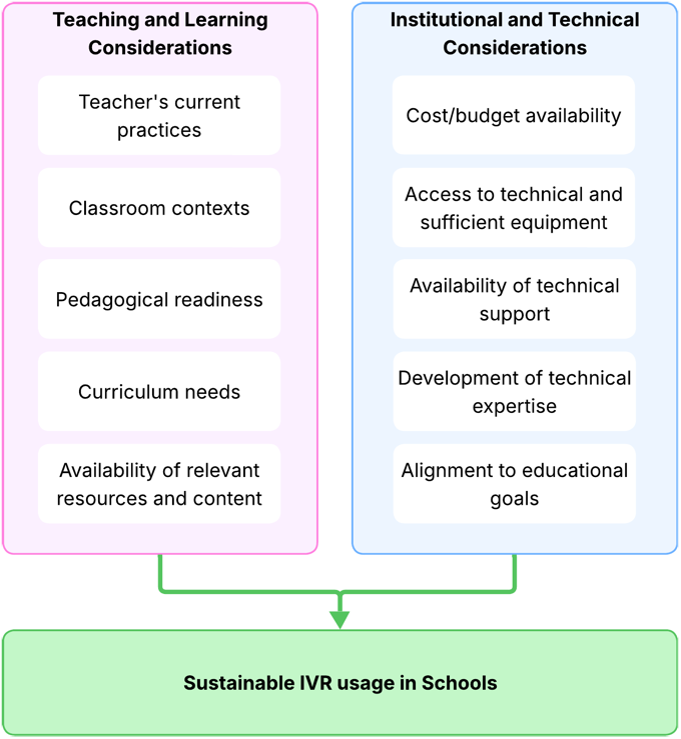
Figure 5. Supporting Sustainable IVR usage in Schools
On the basis of the discussion and findings from participating teachers’ responses, Figure 5 presents a conceptual framework displaying possible sustainable IVR integration within schools, promoting possible long-term use. These are depicted through two main components: Teaching and Learning considerations and Institutional and Technical considerations.
The first component, Teaching and Learning considerations, emerging directly from teachers’ discussion and reflection, encompasses teachers’ current practices including preferred pedagogies and instructional approaches. In particular to science education, teachers shared keenness to engage students through increased visualisation opportunities and activity-based learning experiences. They also reflected on the role of classroom contexts, such as number of students per class and meeting curriculum needs, impacting their teaching preferences. These factors lay the foundation of the framework suggesting that approaches that support engagement and active learning may be adopted more readily due to their alignment with teachers’ instructional choices. Meanwhile having relevant resources and content easily accessible may lead to greater chances of IVR inclusion, where the responses of teachers indicated that visuals depicted through IVR allowed for immersive and ‘real’ experiences as compared to traditional content.
Alongside this are the Institutional and Technical considerations, which include institutional support and technical availability for sustainable IVR usage. As discussed in the findings, cost and budget constraints are prevalent which consequently necessitate teachers to continue with predetermined teaching methods. In addition to this, teachers highlighted the need for technical and sufficient equipment to effectively integrate and use IVR in classroom contexts. This further suggests teachers continued technical development to be better trained for impactful and pedagogically sound digital technology inclusion. Finally, schools’ educational goals may determine the extent to which digital technologies are adopted and integrated into educational practice. Technology-driven paradigms, such as Education 5.0, supporting the use of digital technology for transforming education, may only be adopted if they coincide with schools’ educational value and purpose.
The long-term sustainability of transformative pedagogic practice may depend on embedding digital innovations, such as IVR, within stable and commonly accepted pedagogies. On the basis of the findings and discussions of this study, the section provides recommendations to support meaningful IVR integration within secondary school education.
Given the financial constraints of most educational institutions, particularly in developing contexts, it may be beneficial to prioritise affordable IVR options. This would result in reduced cost, as compared to more expensive IVR devices, and consequently also reduce technical dependency while enabling immersive learning experiences. A number of low-cost, cardboard headsets are readily available as well as the possibility of DIY (Do-It-Yourself) sets. While such headsets may be prone to damage and wear, the maintenance and replacement of these would still be more feasible as compared to expensive headsets. Additionally, due to lower costs, it may be possible to have multiple headsets allowing for multiple viewers at a time, considering class timings and schedules. Ultimately, moving towards sustainable and recyclable material for low-cost IVR headset development may be a viable and economical possibility.
The linkage of pedagogy is significant in creating IVR experiences that promote learning. Through features of guided narration, prompts, audio and visual cues, the focus of the learner is maintained, avoiding distraction. Hence, rather than IVR being positioned as a standalone innovation, its inclusion within secondary school science education may be linked to learning objectives and curriculum goals. Through the support of existing pedagogical practices that have worked effectively previously, such as activity-based or inquiry-based learning, IVR may be incorporated more effectively. This way IVR may be best suited as a supplemental or scaffolding technique, specialising in detailed visualisation and simulated learning environments. Within the secondary school setting in particular, this is useful as it allows learners to explore science concepts that may build on their interest towards science-related career pathways. This could further be mapped onto developing careers in STEM-based fields.
In today’s digitised world, empowering teachers with relevant digital technology training has become increasingly important. In order to maximise the educational impact of IVR, teacher education may address the use and implementation of emerging technologies. This could move beyond basic understanding and towards pedagogical and curriculum linkage. Alalwan et al. (2020) suggests an increased need for teacher education in developing technological skills, along with stringent monitoring to ensure effectiveness of the training opportunities. Additionally, Farrell et al. (2022) indicates that a resource bank of subject-based content readily available for teachers may support the integration of IVR technology.
Future research on IVR may explore longitudinal studies, within international and global settings, which may generate insights on the impact of contexts, and contribute to global science education, promoting inclusive innovation. Additionally, in line with Education 5.0, IVR may provide personalised and tailored learning options that are human-centred and addressed to specific student needs. Particularly at the secondary school level, where students are beginning to develop their academic and career aspirations, technologies such as IVR can be valuable, as it has shown to increase students’ self-efficacy and interest, and possibly address long-term science aspirations (Makransky et al., 2020).
This study extends to a pedagogy-centred IVR approach, by taking direct responses from experienced science teachers of two distinct regions, for a clearer understanding of how IVR can be sustainably integrated for long-term usage within secondary school science teaching. Through immersive and tailored experiences, IVR may support science education, however, this depends on external factors, such as budget allocation, teacher training and an established classroom infrastructure. The comparative analysis of two contrasting educational settings has highlighted the persistent challenges related to digital readiness and technology-based pedagogy. Findings indicate the importance of supporting teachers’ professional development and allowing greater opportunities for technology exploration and integration. The results of this study offer transferable insights for schools considering the adoption of IVR by identifying the key benefits as well as associated challenges in implementation. Future research exploring long-term impacts of IVR on education, with larger sample sizes and distinct participant groups, may be able to better understand the strengths of IVR and how it may support learning achievement in various educational contexts.
Ahmad, S., Arshad, M., & Qamar, Z. A. (2018). Effects of Over-Crowded Classes on Teaching Learning Process at Secondary Level in District Nankana Sahib. Global Social Sciences Review, III(IV), 212–227. https://doi.org/10.31703/gssr.2018(III-IV).15
Aiello, P., D’Elia, F., Di Tore, S., & Sibilio, M. (2012). A Constructivist Approach to Virtual Reality for Experiential Learning. E-Learning and Digital Media, 9(3), 317–324. https://doi.org/10.2304/elea.2012.9.3.317
Alalwan, N., Cheng, L., Al-Samarraie, H., Yousef, R., Ibrahim Alzahrani, A., & Sarsam, S. M. (2020). Challenges and Prospects of Virtual Reality and Augmented Reality Utilization among Primary School Teachers: A Developing Country Perspective. Studies in Educational Evaluation, 66, 100876. https://doi.org/10.1016/j.stueduc.2020.100876
AlGerafi, M. A. M., Zhou, Y., Oubibi, M., & Wijaya, T. T. (2023). Unlocking the Potential: A Comprehensive Evaluation of Augmented Reality and Virtual Reality in Education. Electronics, 12(18), 3953. https://doi.org/10.3390/electronics12183953
Annual Status of Education Report—ASER Pakistan. (2022). http://aserpakistan.org/document/aser/2021/reports/national/ASER_report_National_2021.pdf
Araiza-Alba, P., Keane, T., Matthews, B., Simpson, K., Strugnell, G., Chen, W. S., & Kaufman, J. (2021). The potential of 360-degree virtual reality videos to teach water-safety skills to children. Computers & Education, 163, 104096. https://doi.org/10.1016/j.compedu.2020.104096
Astatke, M., Weng, C., & Yohannes, A. (2025). What is the role of immersive virtual reality (IVR) in the development of creativity skills and engagement among students in STREAM (Science, Technology, Religion, Engineering, Art, and Mathematics)-based learning? Education and Information Technologies. https://doi.org/10.1007/s10639-025-13610-9
Baloch, I., & Taddese, A. (2020). EdTech in Pakistan: A Rapid Scan. EdTech Hub. https://doi.org/10.53832/edtechhub.0035
Bartram, B. (2017). International and comparative education: Contemporary issues and debates. Routledge.
Bates, J., Finlay, J., & O’Connor Bones, U. (2023). “Education cannot cease”: The experiences of parents of primary age children (age 4-11) in Northern Ireland during school closures due to COVID-19. Educational Review, 75(4), 657–679. https://doi.org/10.1080/00131911.2021.1974821
Cairns, D. (2025). Balancing teacher-led and student-led learning in science: The importance of cognitive load. Large-Scale Assessments in Education, 13(1), 27. https://doi.org/10.1186/s40536-025-00263-w
Calvert, J., & Abadia, R. (2020). Impact of immersing university and high school students in educational linear narratives using virtual reality technology. Computers & Education, 159, 104005. https://doi.org/10.1016/j.compedu.2020.104005
CCEA. (2023a). Learning Resources | CCEA. https://ccea.org.uk/learning-resources
CCEA. (2023b). Science and Technology | CCEA. https://ccea.org.uk/key-stage-3/curriculum/science-technology
Cowan, P., & Farrell, R. (2023). Virtual Reality as the Catalyst for a Novel Partnership Model in Initial Teacher Education: ITE Subject Methods Tutors’ Perspectives on the Island of Ireland. Education Sciences, 13(3), 228. https://doi.org/10.3390/educsci13030228
Dalgarno, B., & Lee, M. J. W. (2010). What are the learning affordances of 3-D virtual environments?: Learning affordances of 3-D virtual environments. British Journal of Educational Technology, 41(1), 10–32. https://doi.org/10.1111/j.1467-8535.2009.01038.x
de Jong, T., Lazonder, A. W., Chinn, C. A., Fischer, F., Gobert, J., Hmelo-Silver, C. E., Koedinger, K. R., Krajcik, J. S., Kyza, E. A., Linn, M. C., Pedaste, M., Scheiter, K., & Zacharia, Z. C. (2023). Let’s talk evidence – The case for combining inquiry-based and direct instruction. Educational Research Review, 39, 100536. https://doi.org/10.1016/j.edurev.2023.100536
Demissie, E. B., Labiso, T. O., & Thuo, M. W. (2022). Teachers’ digital competencies and technology integration in education: Insights from secondary schools in Wolaita Zone, Ethiopia. Social Sciences & Humanities Open, 6(1), 100355. https://doi.org/10.1016/j.ssaho.2022.100355
Di Natale, A. F., Repetto, C., Riva, G., & Villani, D. (2020). Immersive virtual reality in K‐12 and higher education: A 10‐year systematic review of empirical research. British Journal of Educational Technology, 51(6), 2006–2033. https://doi.org/10.1111/bjet.13030
Digital Policy of Pakistan. (2018). Ministry of IT & Telecom. URL: https://moib.gov.pk/Downloads/Policy/DIGITAL_PAKISTAN_POLICY%2822-05-2018%29.pdf
Elliott, J., Stankov, L., Lee, J., & Beckmann, J. F. (2019). What did PISA and TIMSS ever do for us?: The potential of large scale datasets for understanding and improving educational practice. Comparative Education, 55(1), 133–155. https://doi.org/10.1080/03050068.2018.1545386
Farooqui, Y., Latif, M., Khokhar, A., Shar, A., & Shabbir, T. (2023). Harnessing Interactive Media for Transformative Education In Pakistan: A Case Study Of Virtual Reality Integration. Journal of Positive School Psychology. Vol. 7 No. 6
Farrell, R., Cowan, P., Brown, M., Roulston, S., Taggart, S., Donlon, E., & Baldwin, M. (2022). Virtual Reality in Initial Teacher Education (VRITE): A reverse mentoring model of professional learning for learning leaders. Irish Educational Studies, 41(1), 245–256. https://doi.org/10.1080/03323315.2021.2021102
Fransson, G., Holmberg, J., & Westelius, C. (2020). The challenges of using head mounted virtual reality in K-12 schools from a teacher perspective. Education and Information Technologies, 25(4), 3383–3404. https://doi.org/10.1007/s10639-020-10119-1
Girgin, S., & Sarioglu, S. (2020). The Effect of Using Virtual Reality in 6th Grade Science Course the Cell Topic on Students Academic Achievements and Attitudes towards the Course. Turkish Journal of Science Education, 17(1), 109–125. https://doi.org/10.36681/tused.2020.16
Hali, A. U., Zhang, B., Al-Qadri, A. H., & Bakar, M. A. (2020). An overview of science teacher education in Pakistan." Journal of Organizational Behavior Research 5, no. 1-2020: 67-74.
Hamilton, D., McKechnie, J., Edgerton, E., & Wilson, C. (2020). Immersive virtual reality as a pedagogical tool in education: A systematic literature review of quantitative learning outcomes and experimental design. Journal of Computers in Education, 8(1), 1–32. https://doi.org/10.1007/s40692-020-00169-2
Hayhoe, R., Manion, C., & Mundy, K. (2017). Why study comparative education. Comparative and international education: Issues for teachers, 1–26.
Huang, H.-M., Rauch, U., & Liaw, S.-S. (2010). Investigating learners’ attitudes toward virtual reality learning environments: Based on a constructivist approach. Computers & education, 55(3), 1171-1182.
ICT in schools | Department of Education. (2015, June 18) URL: https://www.education-ni.gov.uk/articles/ict-schools
Ievers, M., & McGeown, K. (2020). STEM education in Northern Ireland: Is it an example of systemic failure? Teacher Education Advancement Network Journal, 12 (1), 38–47.
Kamal Naji, K., Al-Ali, A., Arselene Ayari, M., E. Santhosh, M., Khalid Kamal Naji, A., & Mohammad Ali Al-Hazbi, S. (2025). Virtual Frontiers in STEM Education: A Systematic Review and SWOT Analysis of Virtual Reality-Based Interventions at the Preparatory School Level. Computers in the Schools, 1–23. https://doi.org/10.1080/07380569.2025.2472684
Khokhar, A., & Javaid, S. (2016). Students and teachers percepions of ICT use in classroom: Pakistani classrooms. The Asian Conference on Technology in the Classroom.
Klingenberg, S., Jørgensen, M. L. M., Dandanell, G., Skriver, K., Mottelson, A., & Makransky, G. (2020). Investigating the effect of teaching as a generative learning strategy when learning through desktop and immersive VR: A media and methods experiment. British Journal of Educational Technology, 51(6), 2115–2138. https://doi.org/10.1111/bjet.13029
Koehler, M. J., & Mishra, P. (2009). What Is Technological Pedagogical Content Knowledge? Contemporary Issues in Technology and Teacher Education, 9(1), 60–70.
Lui, A. L. C., Not, C., & Wong, G. K. W. (2023). Theory-Based Learning Design with Immersive Virtual Reality in Science Education: A Systematic Review. Journal of Science Education and Technology, 32(3), 390–432. https://doi.org/10.1007/s10956-023-10035-2
Maas, M. J., & Hughes, J. M. (2020). Virtual, augmented and mixed reality in K–12 education: A review of the literature. Technology, Pedagogy and Education, 29(2), 231–249. https://doi.org/10.1080/1475939X.2020.1737210
Makransky, G., Andreasen, N. K., Baceviciute, S., & Mayer, R. E. (2021). Immersive virtual reality increases liking but not learning with a science simulation and generative learning strategies promote learning in immersive virtual reality. Journal of Educational Psychology, 113(4), 719–735. https://doi.org/10.1037/edu0000473
Makransky, G., Petersen, G. B., & Klingenberg, S. (2020). Can an immersive virtual reality simulation increase students’ interest and career aspirations in science? British Journal of Educational Technology, 51(6), 2079–2097. https://doi.org/10.1111/bjet.12954
Matovu, H., Ungu, D. A. K., Won, M., Tsai, C.-C., Treagust, D. F., Mocerino, M., & Tasker, R. (2023). Immersive virtual reality for science learning: Design, implementation, and evaluation. Studies in Science Education, 59(2), 205–244. https://doi.org/10.1080/03057267.2022.2082680
McCormick, B. (2024). Reflections from teaching primary science in the Northern Irish sySTEM. BERA Blog. URL: https://www.bera.ac.uk/blog/reflections-from-teaching-primary-science-in-the-northern-irish-system
Memon, A. B., & Tunio, M. N. (2022). Assessing the Potential of ICT Education at Secondary Schools in Pakistan: A Comparative Study. Pakistan Journal of Educational Research and Evaluation (PJERE), 10(2), 16-33.
Mullis, I. V. S., Martin, M. O., Ruddock, G., O’Sullivan, C. Y., & Preuschoff, C. (2020). TIMSS 2019 International Results in Mathematics and Science. TIMSS & PIRLS International Study Center, Lynch School of Education, Boston College.
Mustafa, M. Y., Qazi, A., & Ahmed, A. (2022). Science Education in Pakistan: Existing Situation and Perspectives for Planner (pp. 313–330). https://doi.org/10.1007/978-981-16-6955-2_19
National Foundation of Educational Research (NFER). (2020). TIMSS 2019 in Northern Ireland: Executive summary. URL: https://www.education-ni.gov.uk/publications/timss-2019-results-northern-ireland
Nemani, S. (2025). Barriers and Enablers to Adopting Virtual Reality in Lower Secondary STEAM Curricula. Journal of Advanced Research in Education, 4(2), 1–14. https://doi.org/10.56397/JARE.2025.03.01
Ngema, M., & Motlhabane, A. (2025). Virtual labs in life sciences education: A case study of grade 10 learners in selected South African rural schools. Eurasia Journal of Mathematics, Science and Technology Education, 21(2), em2579. https://doi.org/10.29333/ejmste/15925
Nisa Ul Haq, M., Khan, M. G., & Mahmood, M. (2020). Interrogations and Prospective of Science Education at Secondary Level in Punjab, Pakistan. Global Political Review, V(I), 182–191. https://doi.org/10.31703/gpr.2020(V-I).21
Parong, J., & Mayer, R. E. (2021). Cognitive and affective processes for learning science in immersive virtual reality. Journal of Computer Assisted Learning, 37(1), 226–241. https://doi.org/10.1111/jcal.12482
Passey, D., & Anderson, J. (2018). School improvement through digital technologies: Using managed service/support in schools in Northern Ireland with case studies of success. https://eprints.lancs.ac.uk/id/eprint/128889/1/School_improvement_through_digital_technologies_Paper_final_draft.pdf
Passey, D., Taggart, S., Anderson, J., & Campbell, A. (2023). Inspiring Digital Learning: A synthesis of research related to digital technologies in Northern Ireland’s schools. https://pure.ulster.ac.uk/en/publications/inspiring-digital-learning-a-synthesis-of-research-related-to-dig
Peláez-Sánchez, I. C., Glasserman-Morales, L. D., & de la Cruz Martínez, G. (2026). Education 5.0 and Metaverses: Teachers’ Reflections on Opportunities and Challenges in Pedagogical Transformation. In F. F.-H. Nah & K. L. Siau (Eds), HCI International 2025 – Late Breaking Papers (pp. 45–59). Springer Nature Switzerland. https://doi.org/10.1007/978-3-032-13167-6_4
Purdy, N., Logue, J., Montgomery, M., O’Hare, K., Redpath, J., & Demie, F. (2021). A Fair Start: Final report and action plan. Northern Ireland: Department of Education. URL: https://www.education-ni.gov.uk/sites/default/files/publications/education/A%20Fair%20Start%20-%20Final%20Report%20and%20Action%20Plan.pdf
Qureshi, A., & Demir, K. (2019). A Comparative Review of the Literature on Pakistani Science Teachers’ Professional Development. Science Education International, 30(3), 223–235. https://doi.org/10.33828/sei.v30.i3.9
Qureshi, N., & Kalsoom, Q. (2022). Teacher Education in Pakistan: Structure, Problems, and Opportunities. Handbook of Research on Teacher Education: Innovations and Practices in Asia. Springer Nature Singapore. https://doi.org/10.1007/978-981-16-9785-2
Raave, D. K., Saks, K., Pedaste, M., & Roldan Roa, E. (2024). How and Why Teachers Use Technology: Distinct Integration Practices in K-12 Education. Education Sciences, 14(12), 1301. https://doi.org/10.3390/educsci14121301
Røe, Y., Wojniusz, S., & Bjerke, A. H. (2022). The Digital Transformation of Higher Education Teaching: Four Pedagogical Prescriptions to Move Active Learning Pedagogy Forward. Frontiers in Education, 6, 784701. https://doi.org/10.3389/feduc.2021.784701
Salam, S., Jianqiu, Z., Pathan, Z. H., & Lei, W. (2017). Strategic Barriers in the Effective Integration of ICT in the Public Schools of Pakistan. Proceedings of the 2017 International Conference on Computer Science and Artificial Intelligence, 169–172. https://doi.org/10.1145/3168390.3168422
Taggart, S. (2023). Beneath the Surface: Baseline Study to support the rollout of Microsoft Surface Pro 7 devices for teachers in Northern Ireland. Ulster University. https://pure.ulster.ac.uk/en/publications/beneath-the-surface-baseline-study-to-support-the-rollout-of-micr
Taggart, S., Roulston, S., Brown, M., Donlon, E., Cowan, P., Farrell, R., & Campbell, A. (2023). Virtual and augmented reality and pre-service teachers: Makers from muggles? Australasian Journal of Educational Technology, 1–16. https://doi.org/10.14742/ajet.8610
V Alamäki, A., Dirin, A., Suomala, J., & Rhee, C. (2021). Students’ Experiences of 2D and 360° Videos With or Without a Low-Cost VR Headset: An Experimental Study in Higher Education. Journal of Information Technology Education: Research, 20, 309–329. https://doi.org/10.28945/4816
Walstra, K. A., Cronje, J., & Vandeyar, T. (2023). A Review of Virtual Reality from Primary School Teachers’ Perspectives. Electronic Journal of E-Learning. https://doi.org/10.34190/ejel.21.4.3060
Wu, J., Guo, R., Wang, Z., & Zeng, R. (2019). Integrating spherical video-based virtual reality into elementary school students’ scientific inquiry instruction: Effects on their problem-solving performance. Interactive Learning Environments, 29(3), 496–509. https://doi.org/10.1080/10494820.2019.1587469
Yan, Y., Zheng, Y., & Ye, X. (2025). The impact of IVR-ADDIE-based digital storytelling teaching mode on students’ self-regulation ability and self-efficacy. Education and Information Technologies, 30(5), 6141–6162. https://doi.org/10.1007/s10639-024-13070-7
Yildirim, B., Sahi̇N Topalcengi̇Z, E., Arikan, G., & Ti̇Mur, S. (2020). Using Virtual Reality in the Classroom: Reflections of STEM Teachers on the Use of Teaching and Learning Tools. Journal of Education in Science, Environment and Health. https://doi.org/10.21891/jeseh.711779
Zhao, Y. (2020). Two decades of havoc: A synthesis of criticism against PISA. Journal of Educational Change, 21(2), 245–266. https://doi.org/10.1007/s10833-019-09367-x
Address for corresponding author arhumnadeemkhan@gmail.com↩︎